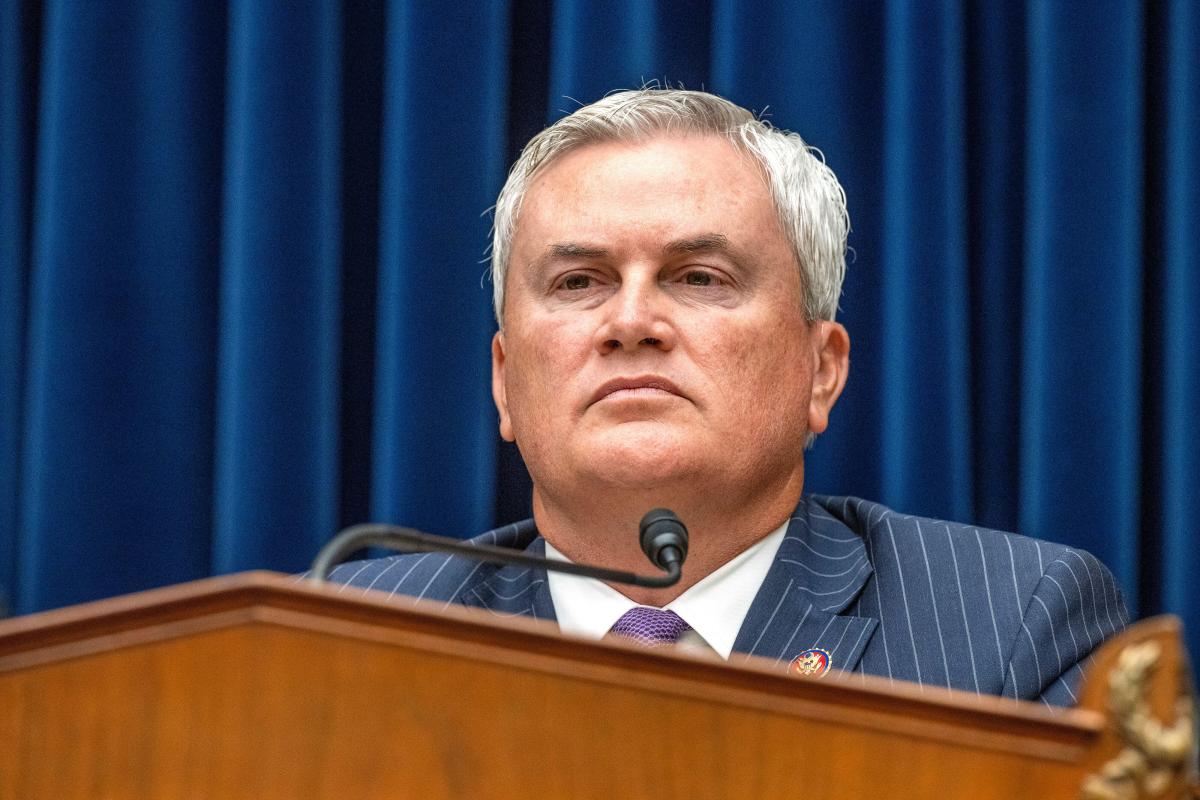
The House Committee's recent decision to seek Bill Gates' testimony marks a significant development in the ongoing investigation into disgraced financier Jeffrey Epstein. This move underscores the continued efforts by congressional panels to uncover the full scope of Epstein's illicit network and brings renewed focus on the high-profile individuals associated with him.
As part of its comprehensive probe, the House Oversight Committee has formally requested a transcribed interview with the Microsoft Corp. co-founder. This action is not isolated; it's part of a broader outreach by the committee, chaired by James Comer, targeting several individuals, including Apollo Global Management co-founder Leon Black, all believed to possess information pertinent to the Epstein case. The committee’s goal is to shed light on potential facilitators, financial dealings, and the wider ecosystem that enabled Epstein's activities, even years after his death in a New York jail cell in 2019.
A Renewed Push for Transparency: The House Oversight Committee's Inquiry
The House Oversight Committee's decision to pursue Gates' testimony signals a persistent commitment to transparency and accountability. Following the recent deluge of documents released by the U.S. Justice Department related to Epstein, public interest and legal scrutiny have intensified. These documents, which revealed intricate social and financial connections, have reignited calls for a thorough examination of how Epstein operated and who, if anyone, may have knowingly or unknowingly facilitated his crimes.
For the committee, transcribed interviews with figures like Bill Gates are crucial. Unlike public hearings, transcribed interviews allow for a detailed, question-by-question record, often under oath, which can be invaluable for legal proceedings and legislative efforts. The focus is likely to be on the nature of Gates' relationship with Epstein, any financial transactions, introductions to other individuals, and his awareness of Epstein's past conduct or ongoing activities. This investigative approach aims to compile a meticulous factual record, ensuring that all avenues are explored in the pursuit of justice for Epstein's victims and to prevent similar exploitative networks from flourishing in the future.
The Scope of Congressional Investigation
The House Oversight Committee’s mandate extends beyond simply identifying associates. It seeks to understand systemic failures, examine financial flows that might have supported Epstein's operations, and identify any potential obstruction of justice or lack of regulatory oversight that allowed his activities to persist despite prior convictions. The request for Gates' testimony is a strategic step to fill in gaps in the narrative, particularly concerning high-level connections that may not have been fully explored in previous investigations.
Bill Gates and the Shadow of Jeffrey Epstein: A Public Accounting
Bill Gates' association with Jeffrey Epstein has been a subject of considerable public discussion for years. Gates himself has publicly acknowledged the error of his judgment. In past statements, including a town hall with staff at the Gates Foundation, he expressed profound regret, calling his association with Epstein a "huge mistake" and apologizing for the impact it had on his philanthropic organization and those connected to it. This acknowledgment came after revelations of their meetings, which reportedly began in 2011, three years after Epstein pleaded guilty to soliciting a minor for prostitution.
Addressing Allegations and Denials
Crucially, the recently released documents included a draft email from Epstein containing unverified allegations about Gates' personal life and involvement in illicit activities. Gates has vehemently denied these claims. In a subsequent interview with 9News Australia, he dismissed the draft email as "false" and emphasized that it was never sent. He maintained his stance from previous statements, asserting, "I did nothing illicit. I saw nothing illicit."
Gates has admitted to having extramarital affairs, including with a "Russian bridge player" and a "Russian nuclear physicist," but he has consistently separated these personal matters from any involvement in Epstein's criminal enterprises. He noted that he knew of an "18-month thing" restricting Epstein's travel but admitted to not fully checking his background. Furthermore, Gates revealed that his then-wife, Melinda French Gates, expressed concerns about Epstein in 2013, yet he continued the relationship for at least another year. This detail highlights a lapse in judgment that Gates himself has since publicly lamented, stating that "knowing what I know now makes it a hundred times worse."
The Gates testimony, if it proceeds, will likely delve into these specific points, seeking clarity on the timeline of their relationship, the specific nature of their interactions, and Gates' level of awareness of Epstein's documented criminal history and alleged ongoing misconduct. The public and the committee are keen to understand what, if anything, Gates observed or knew that could further illuminate Epstein's network and activities.
Navigating Public Scrutiny and Ethical Dilemmas
The scrutiny facing Bill Gates is not unique among high-profile individuals who found themselves entangled in Jeffrey Epstein's orbit. It underscores a broader societal challenge: how to hold powerful figures accountable for their associations, especially when those associations cast a shadow over their otherwise celebrated professional or philanthropic endeavors. The case of Gates' testimony highlights the ethical complexities inherent in maintaining public trust when an individual's personal choices intersect with egregious criminal acts.
The Demand for Accountability
Public figures, by virtue of their influence and visibility, are often held to a higher standard. When connections to individuals like Epstein emerge, the demand for complete transparency becomes overwhelming. For Gates, a figure synonymous with global philanthropy and technological innovation, this association has undoubtedly impacted his public image and the perception of the organizations he leads. The House Committee’s inquiry is a direct response to this public demand for accountability, seeking to ensure that no stone is left unturned in understanding the full scope of Epstein's operations and the roles, intentional or unintentional, played by his associates.
From an ethical standpoint, the incident serves as a stark reminder for leaders across all sectors to exercise extreme diligence in vetting associations, particularly when those individuals have a known history of criminal behavior. Even seemingly innocuous professional meetings can have profound and lasting repercussions when the counterparty is involved in morally reprehensible conduct.
The Path Forward: What Gates' Testimony Could Reveal
Should the transcribed interview with Bill Gates proceed, it will represent a critical juncture in the ongoing Epstein investigation. The nature of a transcribed interview, conducted under oath and typically outside the public eye initially, allows for a focused and detailed examination of facts. Committee members and legal counsel can meticulously probe specific interactions, financial dealings, and any communications between Gates and Epstein, as well as with other individuals within Epstein's circle.
Potential Areas of Inquiry
The Gates testimony could potentially provide crucial insights into several areas:
- Nature of the Relationship: Clarifying the specifics of their meetings, discussions, and the stated purposes of their interactions.
- Financial Connections: Any direct or indirect financial dealings, investments, or philanthropic contributions that might have flowed between Gates and Epstein or their respective entities.
- Introductions and Network: Whether Gates introduced Epstein to other prominent individuals, or vice versa, expanding the committee’s understanding of Epstein’s networking strategies.
- Awareness and Red Flags: Delving deeper into Gates' knowledge of Epstein's legal troubles beyond the "18-month thing" and the concerns raised by Melinda French Gates. What red flags, if any, were observed, and why were they not acted upon more decisively?
The ultimate goal of such testimony is not merely to assign blame but to construct a comprehensive picture of Epstein’s operations. This is vital for understanding how he was able to maintain his façade and continue his predatory activities, often shielded by his connections to powerful and influential individuals. The committee's findings will be instrumental in informing potential legislative reforms aimed at preventing similar abuses of power and ensuring greater protection for vulnerable individuals.
The request for Gates' testimony in the Jeffrey Epstein probe underscores the enduring commitment to uncovering the full truth behind the financier's illicit world. As the House Oversight Committee continues its comprehensive investigation, the insights gained from such high-profile transcribed interviews are crucial for piecing together the complex puzzle. This ongoing pursuit of transparency and accountability is not only vital for delivering justice to Epstein's victims but also for reinforcing public trust in institutions and ensuring that powerful individuals are held responsible for their associations and actions. The coming weeks and months will likely bring further developments as the committee presses forward in its determined effort to close this dark chapter with a complete and accurate accounting.