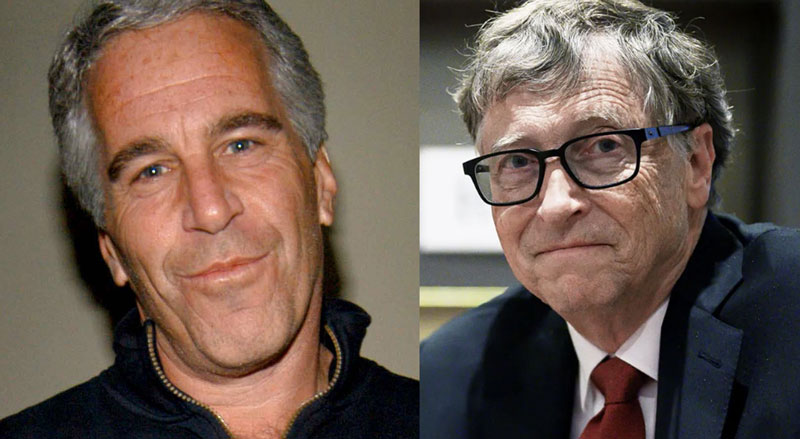
Bill Gates Under Scrutiny: Admissions of Affairs, Firm Denials on Epstein Crimes, and Looming Testimony
In a world increasingly demanding transparency from its most influential figures, Bill Gates, co-founder of Microsoft and a towering figure in philanthropy, finds himself at the nexus of intense public and congressional scrutiny. Amid the ongoing fallout from the Jeffrey Epstein scandal, Gates has publicly addressed his controversial association with the disgraced financier, making candid admissions about past extramarital affairs while vehemently denying any involvement in Epstein's horrific crimes. These revelations come as the House Oversight Committee seeks his transcribed testimony, signaling a deepening probe into Epstein's extensive network.
The saga intertwines personal misjudgment with a global investigation into one of the most heinous criminal enterprises. Gates' statements, made primarily to staff at the Gates Foundation and in subsequent interviews, paint a picture of regret over a relationship that has cast a long shadow over his reputation and the work of his philanthropic endeavors. The public interest in the truth behind the gates testimony epstein connection continues to mount.
The Weight of Association: Gates Addresses His "Huge Mistake"
Bill Gates has not shied away from labeling his association with Jeffrey Epstein as a profound error in judgment. Speaking at a town hall with Gates Foundation staff, a recording of which was reviewed by The Wall Journal, Gates expressed deep remorse, stating, "It was a huge mistake to spend time with Epstein." He further acknowledged the error of involving Gates Foundation executives in meetings with the convicted sex offender, offering an apology to "other people who are drawn into this because of the mistake that I made."
This admission of a "huge mistake" underscores the severe reputational damage and ethical questions that have plagued individuals associated with Epstein. Gates also described himself as "foolish" in a 9News Australia interview, acknowledging the poor optics and ethical lapse of engaging with someone with Epstein's known criminal history. This public self-reproach highlights the challenging tightrope prominent figures walk when their personal associations inevitably intersect with their public personas and philanthropic missions.
The ongoing congressional investigation, led by House Oversight Committee Chair James Comer, views figures like Gates as critical to understanding the full scope of Epstein's illicit activities. The committee has formally requested transcribed interviews, indicating a thorough examination into the relationships and potential knowledge held by individuals connected to Epstein. For more details on this aspect of the probe, you can read about the House Committee Seeks Gates Testimony in Epstein Probe.
Beyond Personal Mistakes: Denials of Criminal Involvement
While forthright about his misjudgment in associating with Epstein, Bill Gates has maintained a steadfast denial of any involvement in the financier's criminal activities or any awareness of them. During the town hall, he asserted, "I did nothing illicit. I saw nothing illicit." This clear distinction between personal error and criminal complicity is central to his defense as the public and authorities scrutinize every angle of the Epstein network.
The relationship between Gates and Epstein reportedly began in 2011, three years after Epstein had pleaded guilty to soliciting a minor for prostitution. Gates admitted he was aware of an "18-month thing" restricting Epstein's travel but confessed to not conducting a thorough background check. Furthermore, his then-wife, Melinda French Gates, expressed concerns about Epstein in 2013, yet Gates continued the association for at least another year. His current perspective, he told staff, is that "Knowing what I know now makes it, you know, a hundred times worse in terms of not only his crimes in the past, but now it's clear there was ongoing bad behavior."
This timeline raises questions about the due diligence (or lack thereof) performed by those in positions of power when engaging with controversial figures. It serves as a stark reminder that even individuals with vast resources can overlook critical red flags, leading to profound regret and public reckoning. The impact of these revelations on the Gates Foundation's mission and reputation is undeniable, as further explored in Epstein Files: Gates Calls Association "Huge Mistake".
Addressing Allegations: Affairs and Epstein's Unsent Emails
The recent release of millions of pages of documents by the U.S. Justice Department related to Jeffrey Epstein has brought to light numerous details, including an unsent draft email written by Epstein in 2013. In this draft, Epstein made salacious and unfounded allegations against Gates, claiming his relationship with the tech titan ranged from "helping Bill to get drugs, in order to deal with consequences of sex with Russian girls, to facilitating his illicit trysts, with married women."
Gates directly addressed these specific allegations, particularly in his 9News Australia interview. He explicitly stated, "Apparently, Jeffrey wrote an email to himself. Ah, that email was never sent. The email is false." This categorical denial aims to discredit Epstein's posthumous attempt to implicate Gates in drug use or facilitation of illicit trysts, portraying it as a fabricated narrative from a convicted criminal.
However, Gates did admit to extramarital affairs, confirming two specific instances: "I did have affairs, one with a Russian bridge player who met me at bridge events, and one with a Russian nuclear physicist who I met through business activities." By drawing a clear line between personal, consensual affairs and the criminal allegations made by Epstein, Gates attempts to manage the narrative, accepting responsibility for his personal indiscretions while rejecting any connection to Epstein's depraved activities.
Navigating Public Scrutiny: Lessons from the Gates-Epstein Saga
The unfolding saga surrounding Bill Gates and Jeffrey Epstein offers critical lessons for public figures, institutions, and the wider public:
- The Imperative of Due Diligence: Gates' admission of not thoroughly vetting Epstein, despite his known conviction, highlights the crucial importance of robust background checks for any associate, regardless of their perceived influence or social standing. For those in leadership roles, this due diligence extends to protecting the integrity of their organizations.
- Transparency, Even When Painful: While delayed, Gates' eventual public admissions and apologies demonstrate a strategic, albeit challenging, step toward addressing controversy directly. In an era of instant information, opacity often breeds suspicion, making forthright communication a vital tool for reputation management.
- The Ripple Effect of Associations: Personal choices of public figures inevitably cast long shadows over their professional and philanthropic endeavors. The Gates Foundation, a global force for good, has had to contend with the negative fallout from its founder's association, proving that individual actions have wide-reaching consequences.
- Distinguishing Personal and Criminal: While Gates admits to personal failings (the affairs), he vehemently denies criminal involvement. It's a nuanced distinction that the public and legal bodies must critically evaluate – separating moral failings from illegal acts, while not excusing either.
- The Enduring Power of Investigative Journalism and Public Records: The continuous release of Epstein documents by the Justice Department, and the subsequent media scrutiny, underscore the persistent pursuit of truth and accountability, even years after Epstein's death. This sustained pressure ensures that complex networks and past dealings remain subject to intense public and legal examination, reinforcing the principle that no one is above the law or public inquiry.
Conclusion
Bill Gates' recent admissions regarding his extramarital affairs and his profound regret over associating with Jeffrey Epstein mark a significant moment in the ongoing public examination of the disgraced financier's network. While Gates is clear in his denial of any involvement in Epstein's crimes, his acknowledgment of personal mistakes and the direct rebuttal of Epstein's unsent allegations reflect the intense pressure and scrutiny he faces. As the House Oversight Committee seeks his transcribed testimony, the intersection of personal accountability, public perception, and the quest for justice in the Epstein scandal continues to evolve. The world watches closely, awaiting further insights into how prominent figures like Gates navigated, or misnavigated, their connections to one of the most infamous criminals of our time, hoping that the full truth behind the gates testimony epstein saga ultimately emerges.